WHOOP Advanced Labs: pricing, biomarkers, and review

By Elo, last updated:

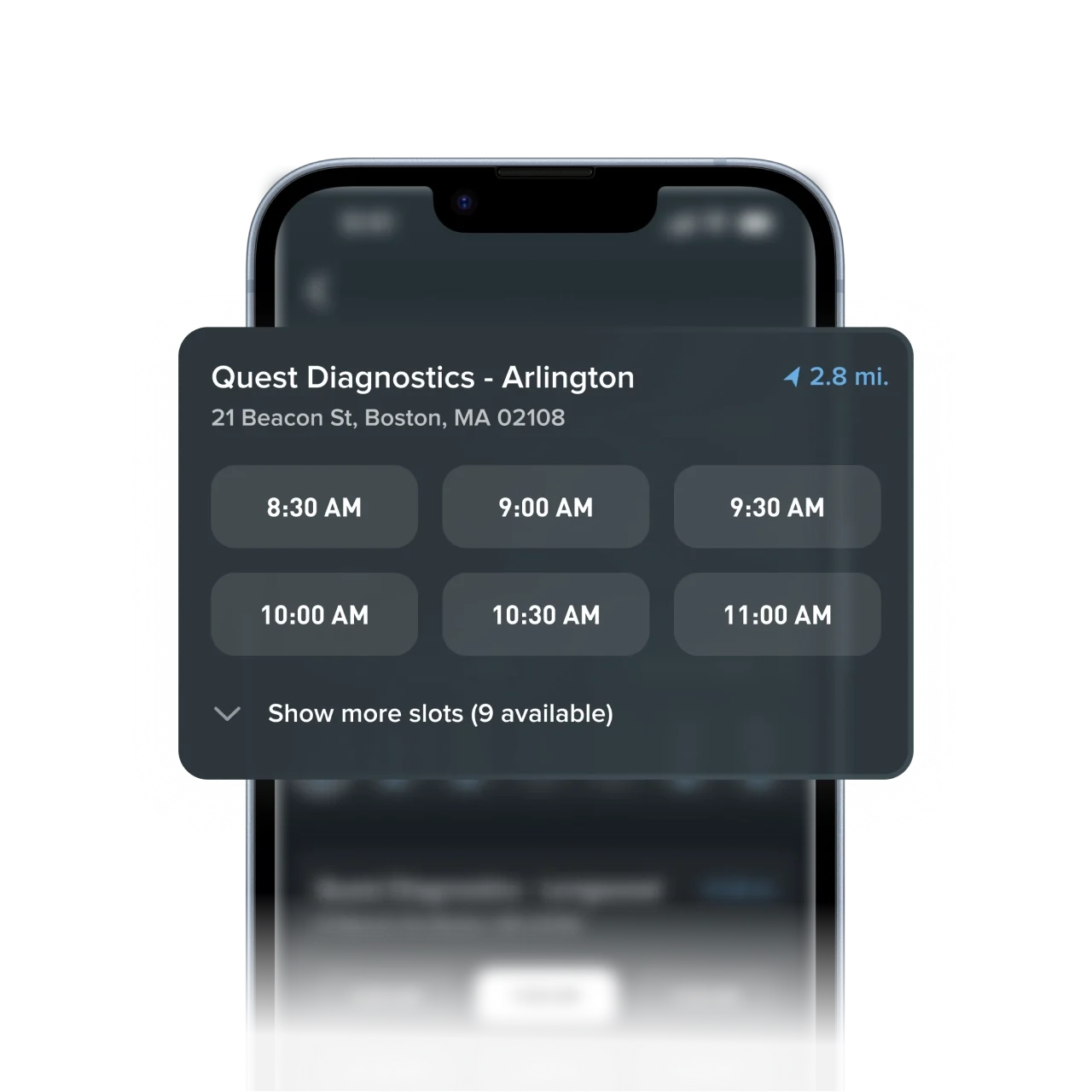
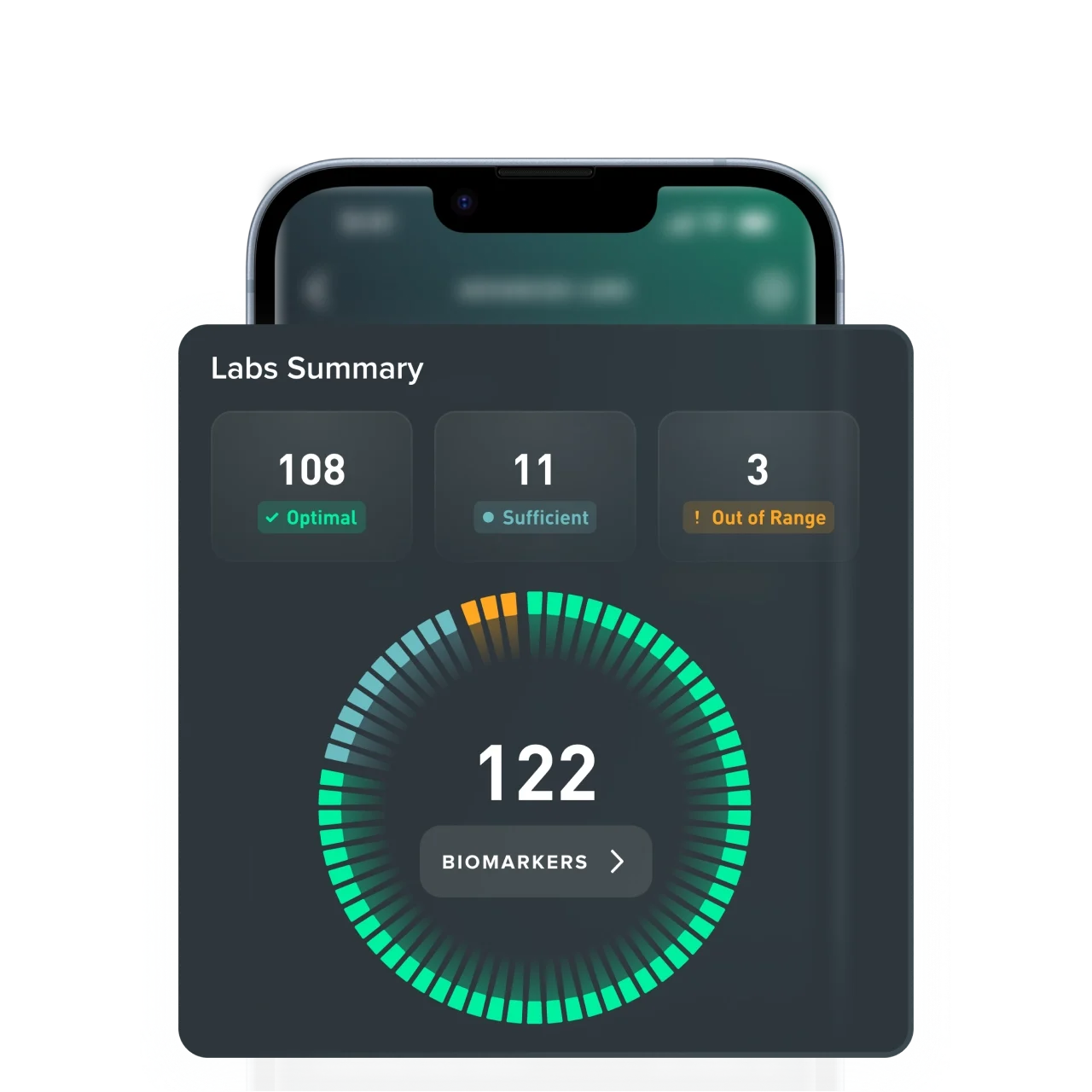
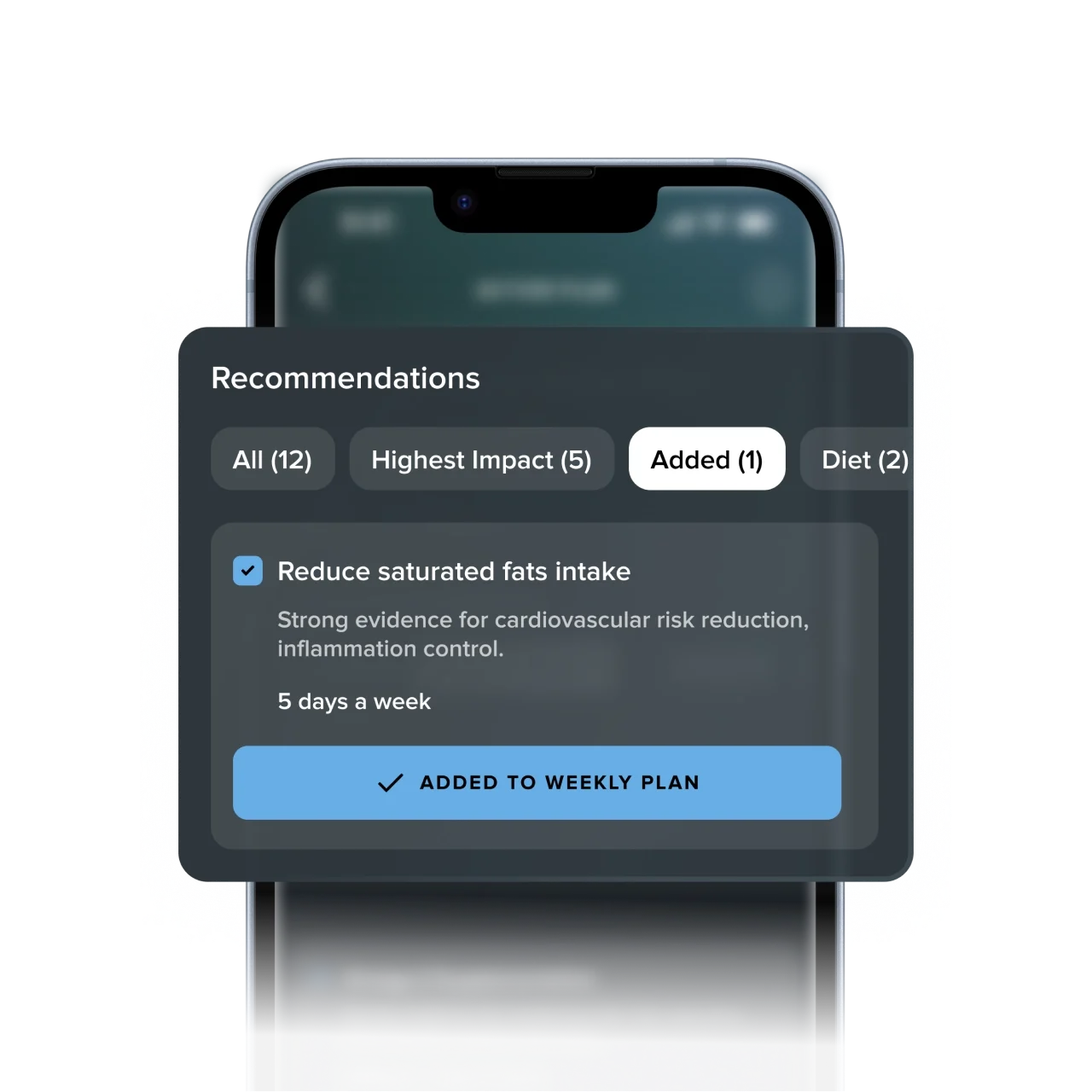
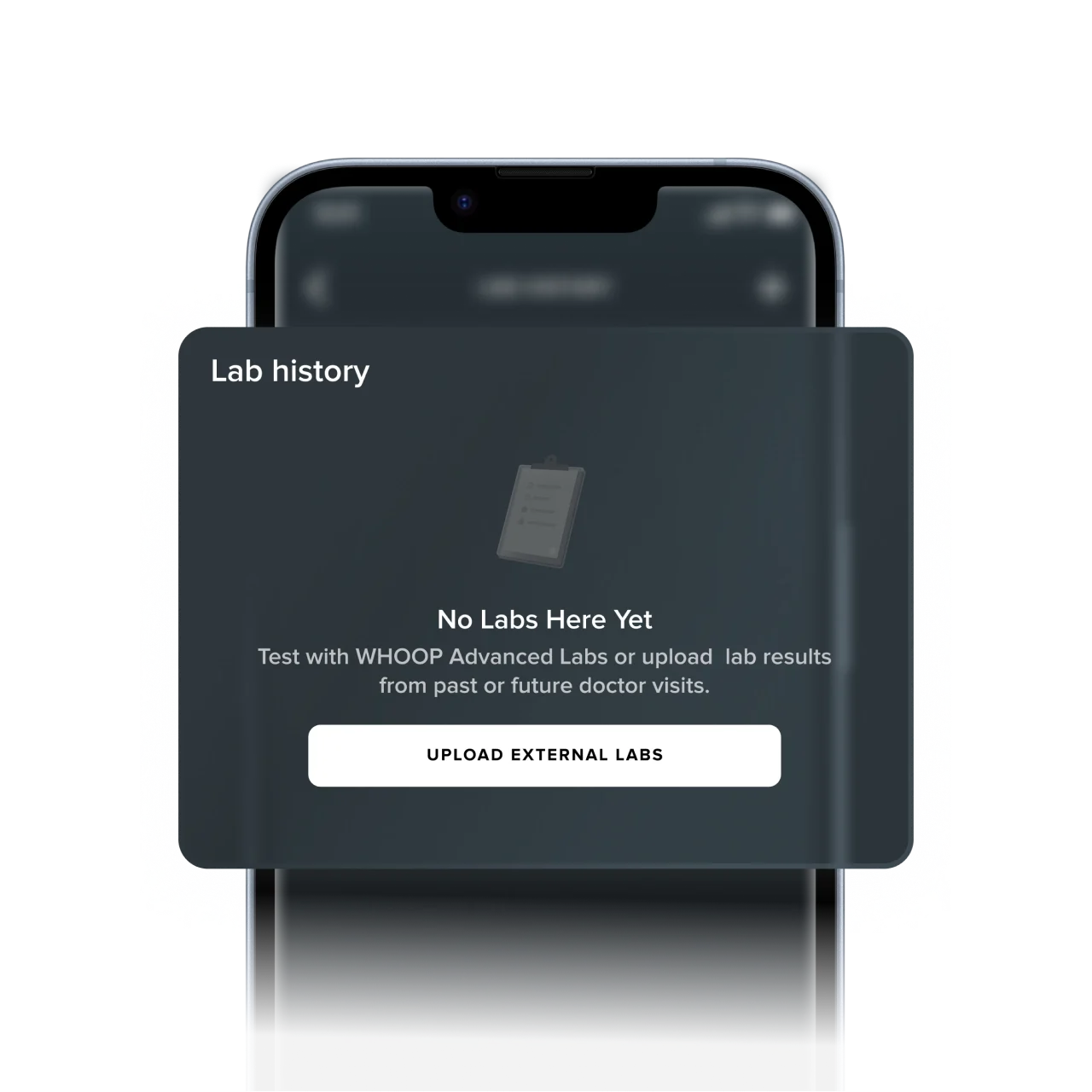
WHOOP Advanced Labs scheduling flowWHOOP Advanced Labs results screenWHOOP Advanced Labs personalized action planWHOOP Advanced Labs past lab upload screen
The official WHOOP flow: schedule at Quest, review results, follow an action plan, or upload prior labs.

WHOOP Advanced Labs is the wearable company's blood-testing service. The flagship offering is $349/year for two annual lab draws covering 75+ biomarkers per panel, with results piped back into the WHOOP app alongside your sleep, recovery, strain, and HRV data. Specialized one-off panels (heart, metabolic, male hormones, female hormones, performance) are sold standalone at $299 each, with each panel covering 77 to 90 markers focused on a single domain. As of August 18, 2026, you can purchase WHOOP Advanced Labs without a WHOOP wearable membership. Existing members still get the fullest integration, but the wearable is no longer required to buy the labs.

The pitch is integration. Instead of getting your bloodwork in a separate dashboard, your labs live next to the wearable signal WHOOP has been collecting on you for months or years. Draws happen at one of 2,000+ Quest Diagnostics locations, booked through the WHOOP app, and HSA/FSA accounts are typically eligible.

My spouse wears a WHOOP, so I've seen how the band's recovery and strain data shows up in the app day to day, and I reviewed WHOOP's published Advanced Labs pricing and panel material to write this. Below we cover how it works, WHOOP Advanced Labs pricing, what's tested, how it compares to Function Health, reviews, and the main alternatives.

How WHOOP Advanced Labs works

WHOOP initially positioned Advanced Labs as a membership add-on, but changed that model: as of August 18, 2026, the blood tests can be purchased without a WHOOP wearable membership. If you do wear the band, the lab results can sit beside your recovery, sleep, strain, and HRV history; without it, you can still purchase the testing and receive the lab report and action plan. The product launched nationally in September 2025 and has expanded since then. WHOOP added Advanced Labs Uploads so members can pull in past lab results from outside the WHOOP system, and in March 2026 launched a women's-health-focused panel targeted at hormonal markers across menstrual cycle, perimenopause, and postpartum contexts.

Reports are reviewed by a clinician before they land in the app, and the action plan that comes with the results is generated against your individual baseline rather than just lab reference ranges.

Testing is booked at 2,000+ Quest locations, with results typically arriving in 7–10 business days. Purchased panels receive clinician review, a Clinical Report, and an Action Plan. A WHOOP wearable membership is not required as of August 18, 2026. Advanced Labs is unavailable in Arizona, Hawaii, Wyoming, North Dakota, and South Dakota; participants must be at least 18 and cannot be pregnant.

WHOOP Advanced Labs screen for scheduling a blood draw at Quest DiagnosticsWHOOP Advanced Labs screen for uploading blood-test results from another provider
Members can schedule a new Quest draw or upload existing bloodwork directly from the WHOOP app.

WHOOP Advanced Labs cost

WHOOP Advanced Labs costs $199 per year for one 75-biomarker Comprehensive Health test, $349 for two tests, $599 for four, or $899 for six. The separate Basic Health Panel costs $69 for 53 biomarkers, while each one-time specialized panel costs $299 and tests 77 to 90 biomarkers. A WHOOP wearable membership is not required to purchase testing as of August 18, 2026.

  • Basic Health Panel: $69 for one 53-biomarker test.
  • One comprehensive test: $199/year.
  • Two comprehensive tests: $349/year ($174.50 each), the most popular cadence.
  • Four or six comprehensive tests: $599 or $899/year, about $150 per test.
  • Specialized Panels: $299 each, one-off. Five domain-focused panels (heart, metabolic, male hormones, female hormones, performance), each with 77 to 90 markers.

For comparison, that puts the annual offering level with Superpower's new $349 standard price (once-yearly) and just below Function Health ($365, twice-yearly). The specialized panels are roughly priced like a one-off Quest comprehensive panel but with deeper domain coverage.

WHOOP Advanced Labs tests and biomarker list

WHOOP Advanced Labs tests 75 biomarkers in its Comprehensive Health Panel, including ApoB, insulin, HbA1c, cortisol, free testosterone, estradiol, ferritin, vitamin D, TSH, and homocysteine. WHOOP's full catalog contains 122+ distinct biomarkers, but they are spread across the comprehensive, basic, and five specialized panels rather than included in a single blood draw.

The panels cover cardiovascular health, metabolic health, blood counts, liver and kidney function, thyroid health, hormones, inflammation, iron, vitamins, and recovery. The main WHOOP Advanced Labs panels are:

  • Basic Health (53 biomarkers): core measures including glucose, LDL, HDL, total cholesterol, triglycerides, hemoglobin, hematocrit, creatinine, ALT, and AST.
  • Comprehensive Health (75 biomarkers): the recurring foundation panel, adding markers such as ApoB, insulin, HbA1c, cortisol, free testosterone, estradiol, ferritin, vitamin D, TSH, and homocysteine.
  • Heart (81 markers): the Heart Health Panel adds ApoB, Lp(a), LDL particle number and pattern, vascular inflammation markers (MPO, Lp-PLA2), endothelial markers (ADMA, SDMA), a full omega fatty-acid profile (EPA, DPA, DHA, ratios), plus hsCRP, homocysteine, and Cystatin C on top of a standard lipid panel.
  • Metabolic (78 markers): the Metabolic Health Panel goes past glucose and HbA1c with C-Peptide, 1,5-AG, fructosamine, HOMA2-IR, leptin, adiponectin, Free T3/T4, GGT, and mineral cofactors (zinc, selenium, iodine, copper, magnesium).
  • Male hormones (77 markers): the Men's Health Panel covers total and free testosterone, SHBG, estradiol, LH, FSH, DHT, prolactin, cortisol, and a three-part prostate screen (PSA total, free, and % free).
  • Female hormones (81 markers): the Women's Health Panel, added in March 2026, covers FSH, LH, estradiol, testosterone, AMH, progesterone, prolactin, plus Free T3/T4 and key nutrients (B12, folate), framed around cycle phase, perimenopause, and postpartum.
  • Performance (90 markers): the Performance Health Panel is the broadest, with blood-production markers (reticulocyte count and index, B12, folate), creatine kinase for muscle recovery, IGF-1, Free T3/T4, and the same omega fatty-acid profile.

WHOOP publishes the complete searchable list in its Advanced Labs biomarker directory and the exact contents of each panel on its panel pages. Counts should not be added together: many foundational biomarkers appear in more than one panel.

WHOOP Advanced Labs app showing a biomarker results summaryWHOOP Advanced Labs app showing a personalized action plan based on lab results
Results are summarized in the app, then translated into a personalized action plan tied to WHOOP data.

WHOOP Advanced Labs vs Function Health

WHOOP Advanced Labs costs $349 per year for two 75-biomarker tests, while Function Health costs $365 per year for a broader 100+ biomarker initial test and a narrower 60+ biomarker follow-up. WHOOP is the better choice for people who want blood results interpreted alongside sleep, recovery, strain, and HRV data. Function Health is better for broader lab-first screening and does not depend on using a wearable to unlock its main value.

  • Price: WHOOP $349/year vs Function $365/year. Roughly the same.
  • Biomarker count: Function tests 100+ on the initial draw, with 60+ repeated later. WHOOP tests 75 per Comprehensive draw and lists 122+ distinct biomarkers across its complete panel catalog.
  • Integration: WHOOP's differentiator is that your labs live next to your wearable data. Function is lab-only.
  • Wearable requirement: Neither service requires a wearable. WHOOP Advanced Labs can be purchased without a WHOOP membership as of August 18, 2026, though members get the added wearable-data context.

WHOOP Advanced Labs review

My review of WHOOP Advanced Labs is positive for repeat testing and wearable integration, but less compelling if you only want the largest possible biomarker panel. The $349 two-test plan is competitively priced, every result receives clinician review, and WHOOP turns the labs into an action plan. Its main drawback is breadth: the standard Comprehensive panel contains 75 biomarkers, fewer than Function Health's 100+ initial panel, and the deeper specialized panels cost another $299 each.

I have reviewed WHOOP's published panels, pricing, scheduling flow, results screens, and action-plan experience; I have not personally purchased an Advanced Labs test. My spouse uses WHOOP, so I am familiar with the wearable app and how its recovery and strain data are presented, but that is different from independently testing the blood-service workflow.

Coverage in the press has generally been favorable on the integration story. TechRadar and TechCrunch both framed the launch as WHOOP moving from wearables into clinical-adjacent territory. Early member reception on r/whoop was mixed: some appreciated the convenience of one-stop physiology, while others wanted to buy blood testing separately. WHOOP now permits that standalone purchase.

WHOOP Advanced Labs alternatives

See our WHOOP Advanced Labs alternatives comparison for normalized biomarker counts, pricing, and the tradeoffs of leaving the WHOOP ecosystem.

Wearable integration is WHOOP's clearest advantage over other blood-testing services. Several alternatives can import Apple Watch, Fitbit, Garmin, Oura, or other tracker data, but WHOOP interprets lab results inside the same system that measures recovery, sleep, strain, and HRV continuously. You can buy Advanced Labs without a WHOOP wearable membership, but you only get that combined wearable context if you use WHOOP.

Already committed to another device? Read our guide to getting the Advanced Labs experience with another wearable, with specific recommendations for Apple Watch, Fitbit, Pixel Watch, Samsung, Garmin, Oura, and other WearOS devices.

WHOOP equivalents for Apple Watch, Fitbit, and Pixel Watch

The closest WHOOP Advanced Labs equivalents for Apple Watch are Empirical Health and InsideTracker. Empirical Health directly supports Apple Watch health data and combines it with physician-led testing, while InsideTracker imports Apple Watch data through Apple Health and uses activity, sleep, and heart-rate trends in its recommendations. Function Health and Superpower also connect to Apple Health, but wearable analysis is a smaller part of their products.

For Fitbit users seeking an alternative to WHOOP Advanced Labs, InsideTracker, Empirical Health, and Function Health all document Fitbit connections. Empirical Health is also the clearest WHOOP Advanced Labs alternative for Pixel Watch: it explicitly supports Pixel Watch models through Fitbit and supports other WearOS watches through Health Connect. WHOOP does not advertise importing Apple Watch, Fitbit, or Pixel Watch data into Advanced Labs.

AlternativeConfirmed wearable connectionsHow it compares with WHOOP
Function HealthApple Health, Oura, Fitbit, Garmin, Withings, iFit, and PelotonBroad import support, but wearable data is supplementary rather than the center of the product.
SuperpowerApple Health, WHOOP, and Oura; Superpower also says “and more” without publishing a complete listCan bring several data sources together, but does not provide WHOOP's native recovery and strain system.
InsideTrackerApple Health, Fitbit, Garmin, and OuraThe strongest device-neutral option for combining blood results with fitness, sleep, and heart-rate data.
Empirical HealthApple Watch, Fitbit, Pixel Watch, Samsung Galaxy Watch, and other WearOS watches through Health ConnectThe broadest confirmed watch support and the only alternative here that explicitly names Pixel Watch.
Vitals VaultNo wearable integration publicly documented as of August 2026Better treated as a lab-testing and reporting service than a wearable-connected health platform.

Apple Watch data generally reaches Function, Superpower, and InsideTracker through Apple Health rather than a separate direct watch connection. Pixel Watch uses Fitbit services, but Empirical Health is the only provider above that explicitly documents Pixel Watch compatibility, so we do not infer support for the others. Sources: Function, Superpower, InsideTracker, and Empirical Health.

Alternatives by price and testing model

  • Function Health ($365/year): the closest direct competitor on price and breadth.
  • Superpower ($349/year standard, sometimes lower on promotion): similar price, once-yearly, no wearable integration.
  • InsideTracker ($499/year): more established, with action plans tied to performance goals.
  • Vitals Vault ($99 to $399 one-time): pay-once model, no subscription.
  • Goodlabs (free with blood donation): a different model entirely.