Vitals Vault: pricing, tiers, and review
By Elo, last updated:
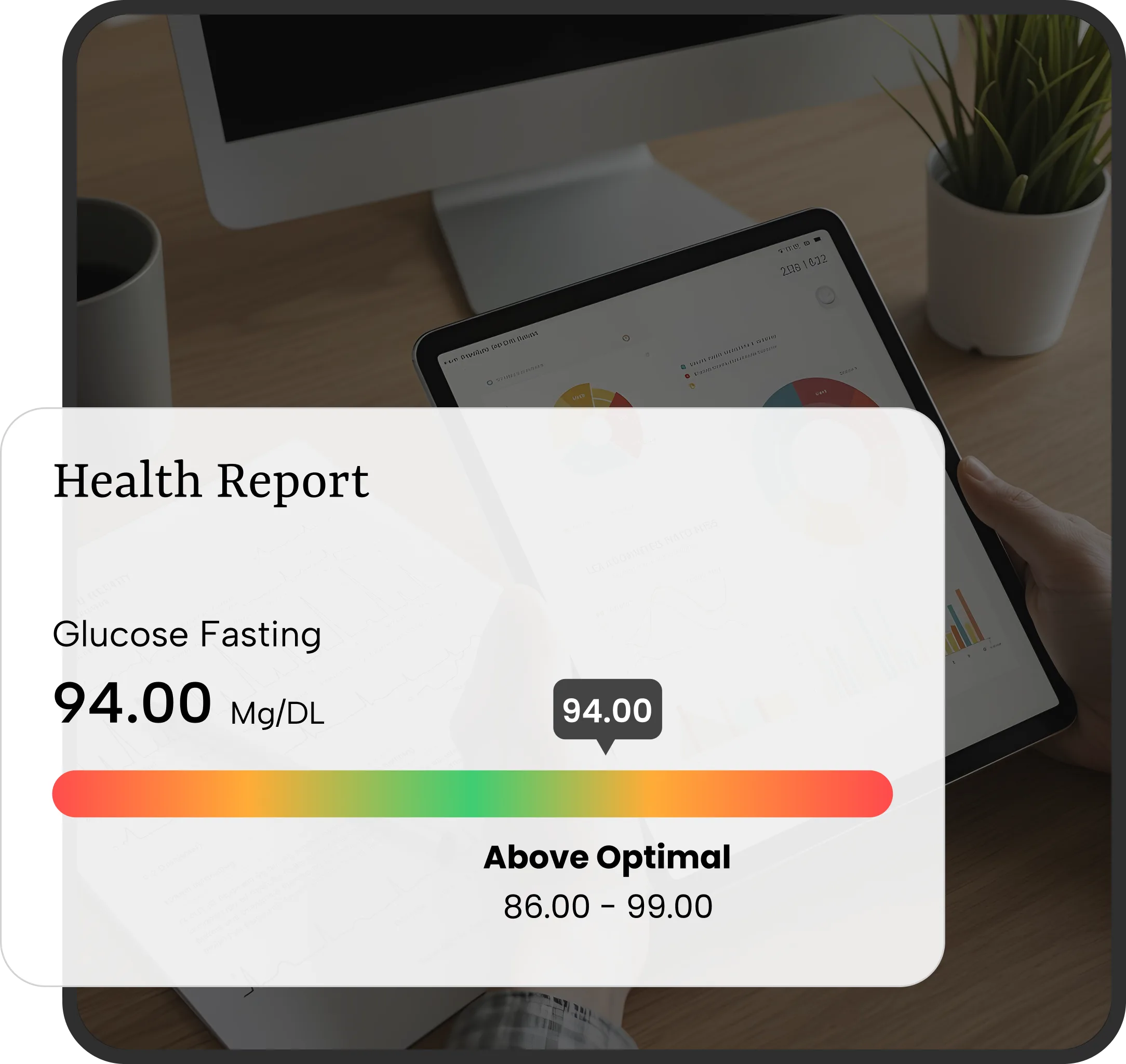
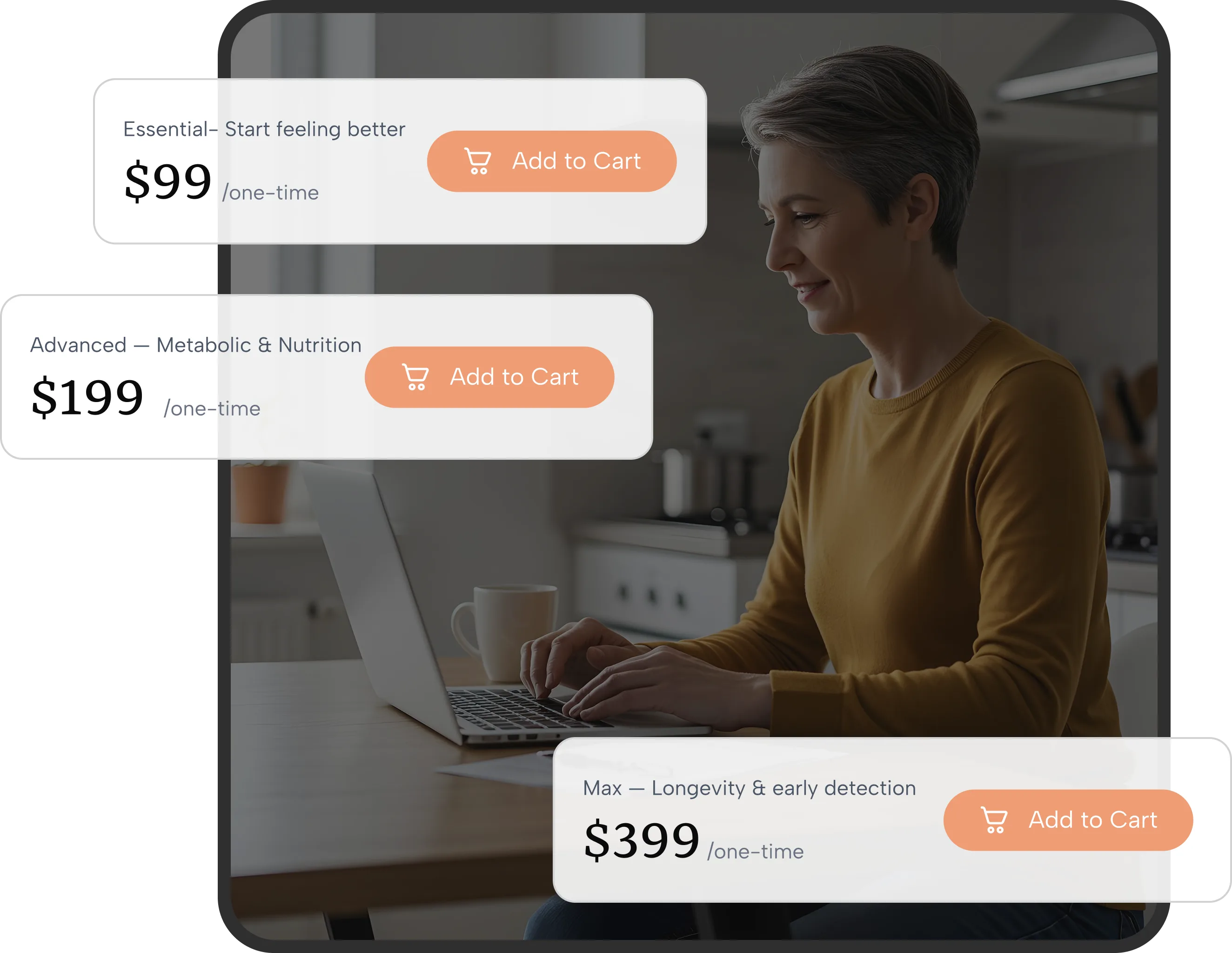
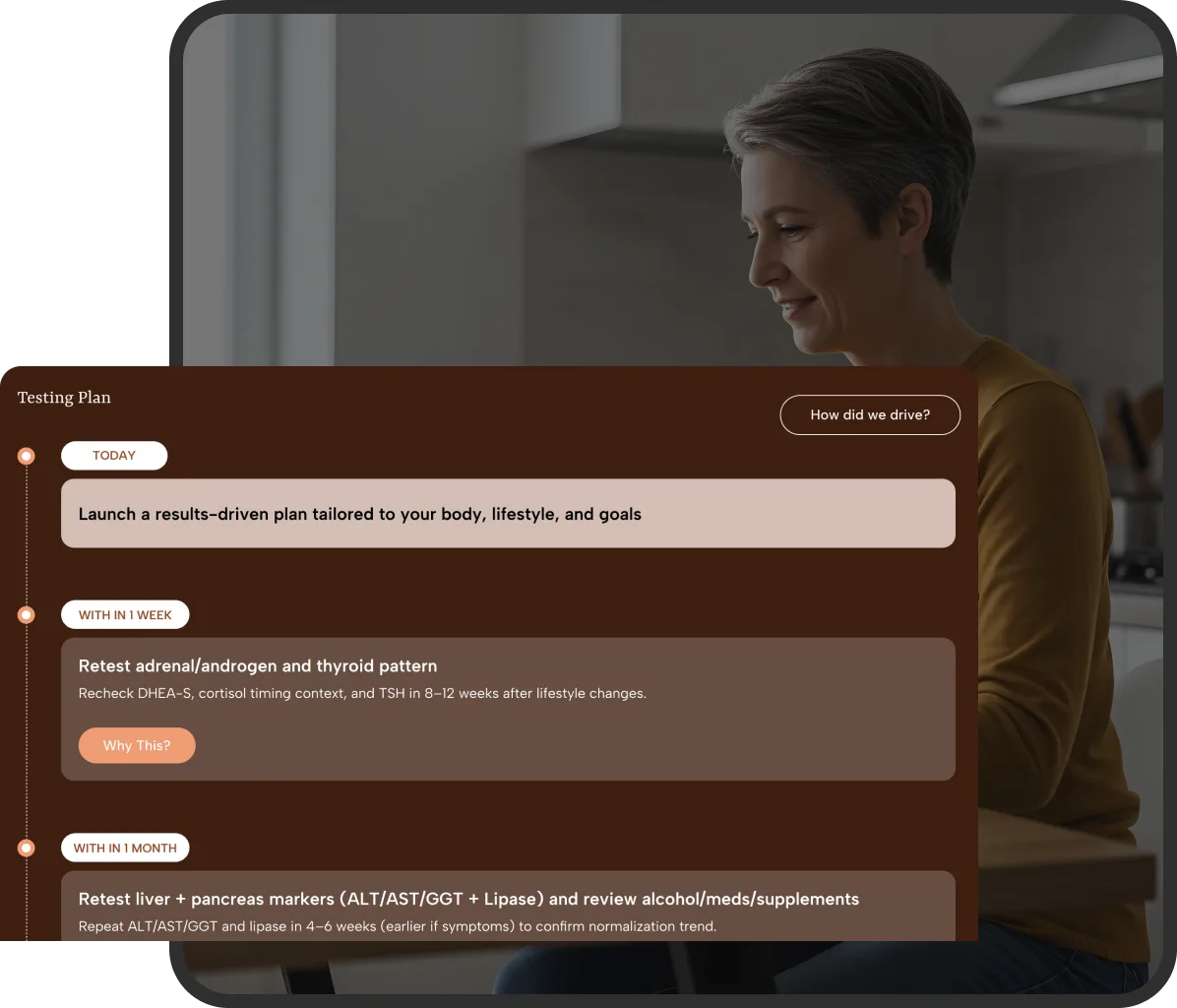
Vitals Vault is a pay-once blood-testing platform, with three one-time tiers (Essential at $99, Advanced at $199, Max at $399) instead of an auto-renewing subscription. Each purchase includes the panel, Quest draw, 90-page Functional Health Report, clinician review, biological-age score, personalized action plan, and AI Health Assistant.
I evaluated Vitals Vault in detail, reviewing their published tiers, catalog claims, and report against the subscription services I've personally tested (Function Health, Quest, and Empirical Health). The catalog goes well beyond the bundled tiers: Vitals Vault advertises a marketplace of 1,000+ individual lab tests and panels across 21 clinical categories, available in any U.S. state via 2,000+ Quest Diagnostics locations, with no membership, referral, or doctor's order required.
Below I cover the Vitals Vault pricing model, what each tier includes, the report and AI assistant, locations and logistics, how Vitals Vault compares to Function Health, and reviews and alternatives.
I haven't ordered a Vitals Vault panel myself, so I'm judging it from what they publish rather than firsthand. My read: the loaded $99 Essential tier is genuinely well-priced for a one-time baseline, and pay-once-keep-forever is a real advantage if you test irregularly. Vitals Vault now publishes a sample report, a welcome transparency improvement, but generated clinical content is only as useful as how specific it gets to your own results. I still can't vouch for the member experience without ordering. If you test every year, a subscription like Function or Superpower probably wins on cumulative cost.
Vitals Vault pricing
The pay-once-keep-forever pricing is the headline differentiator. Function and Superpower both charge annually; if you skip a year, you lose access to the dashboard and report. Vitals Vault frames itself as the opposite: pay once, the report and AI assistant stay accessible indefinitely.
In practice, the trade-off is testing cadence. With Function or Superpower, the renewal price buys you another draw and another report. With Vitals Vault, a follow-up draw means buying a new panel, so if you test annually, the cumulative cost catches up to (or exceeds) the subscription model after a couple of years.
Vitals Vault tiers
- Essential, $99 (120+ markers). The cardiometabolic core: cholesterol panel, blood sugar, a comprehensive metabolic panel (liver and kidney), thyroid, CBC, iron, hs-CRP, vitamin D, and testosterone, plus computed ratios like AIP, TyG Index, NLR, and AST:ALT. A solid one-time baseline.
- Advanced, $199 (140+ markers). Everything in Essential, plus ApoB, estradiol, SHBG, GGT, vitamin B12, and folate.
- Max, $399 (160+ markers). Everything in Advanced, plus fasting insulin, cortisol, progesterone, DHEA-S, IGF-1, homocysteine, Lp(a), RBC magnesium, and zinc. The closest to a Function-level panel.
Tiers and markers above are from the Vitals Vault biomarker library. Vitals Vault updates its catalog often, so confirm the current contents before buying.
Vitals Vault report and AI assistant
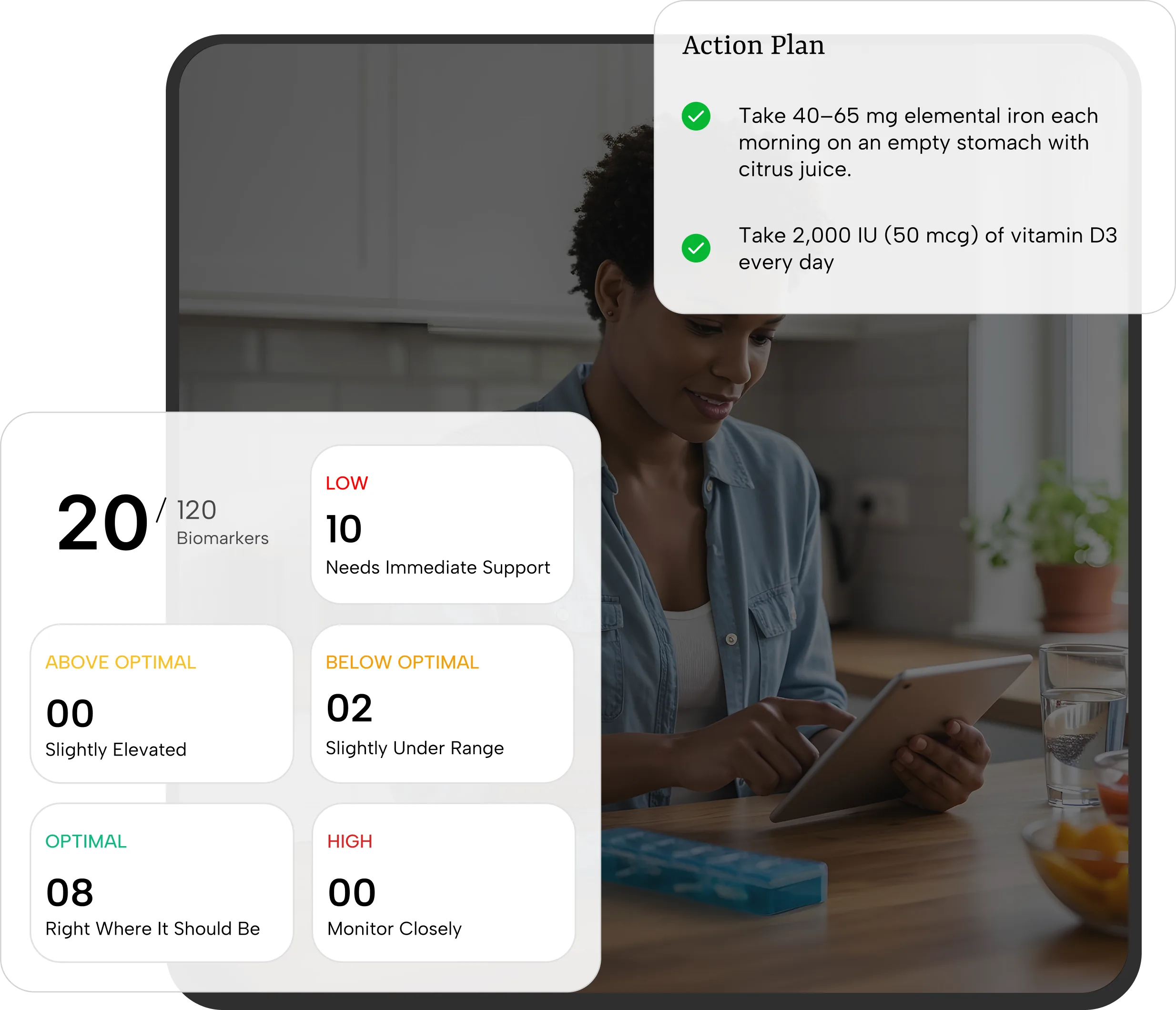
Each panel ships with a 90-page AI-generated clinical report. The Vitals Vault pitch is that the report analyzes every biomarker against functional optimal ranges (a tighter band than the lab's reference "normal") and includes personalized nutrition, supplement, and lifestyle guidance. The AI Health Assistant lets you ask follow-up questions against your own data after the report drops.
The functional-ranges framing is shared with Function Health and the broader functional-medicine ecosystem. As with any AI-generated clinical content, the value depends on how grounded the recommendations are in your specific result patterns versus generic best-practice advice. Worth evaluating once you have the report in hand.
As of August 2026, Vitals Vault publishes a full sample report. That makes the format and depth inspectable before purchase. It is paired with clinician review and a dashboard rather than being only a static PDF.
Locations and logistics
Draws happen at 2,000+ Quest Diagnostics locations. Vitals Vault books the appointment through its platform; you show up fasted, get the draw, and the results flow back to the Vitals Vault dashboard within a few business days. No doctor's order, no insurance interaction. Vitals Vault advertises results starting the next day and a completed report in 5–7 days. Plans are HSA/FSA eligible, and past lab PDFs can be uploaded for historical trends.
Vitals Vault vs Function Health
- Pricing model: Vitals Vault is one-time; Function is $365/year. If you only want one comprehensive panel, Vitals Vault Max ($399) is comparable in cost without the renewal commitment.
- Testing cadence: Function tests twice yearly (100+ then 60+ markers). Vitals Vault is on-demand, so you decide when to retest, and pay again each time.
- Catalog depth: Vitals Vault advertises a 1,000+ test marketplace, more than Function's fixed panel.
- Brand and trust: Function has the much larger member base and a Mark Hyman / Andrew Huberman halo. Vitals Vault is newer and operating at smaller scale.
See Vitals Vault's own Function comparison page for their take, and weigh accordingly, since it's their own marketing.
Reviews and reception
Vitals Vault is a relatively new entrant, so independent third-party reviews are still thin on the ground. The handful that exist skew positive: Vitals Vault holds a small number of 5-star Trustpilot reviews praising the Quest booking flow and fast turnaround, but the sample is too small to read much into, and I found no substantive Reddit discussion yet. The launch press positioned it as "the largest direct-to-consumer lab testing marketplace in the U.S." (per StreetInsider and Barchart). Treat that framing as marketing. The actual user reception will become clearer over the next few months as members run their first panels.
Vitals Vault alternatives
- Function Health ($365/year), the dominant subscription competitor (see our full Function Health review).
- Superpower ($349/year standard, sometimes lower on promotion), subscription option with fewer biomarkers than Function.
- WHOOP Advanced Labs ($349/year), best fit if you already wear a WHOOP.
- InsideTracker ($499/year), more established, with personalized action plans.
- Goodlabs (free with blood donation), a different model entirely.