Apple is gunning
for WHOOP
Apple is adopting WHOOP’s core features as WHOOP moves into Medicare-funded care. Who will win?
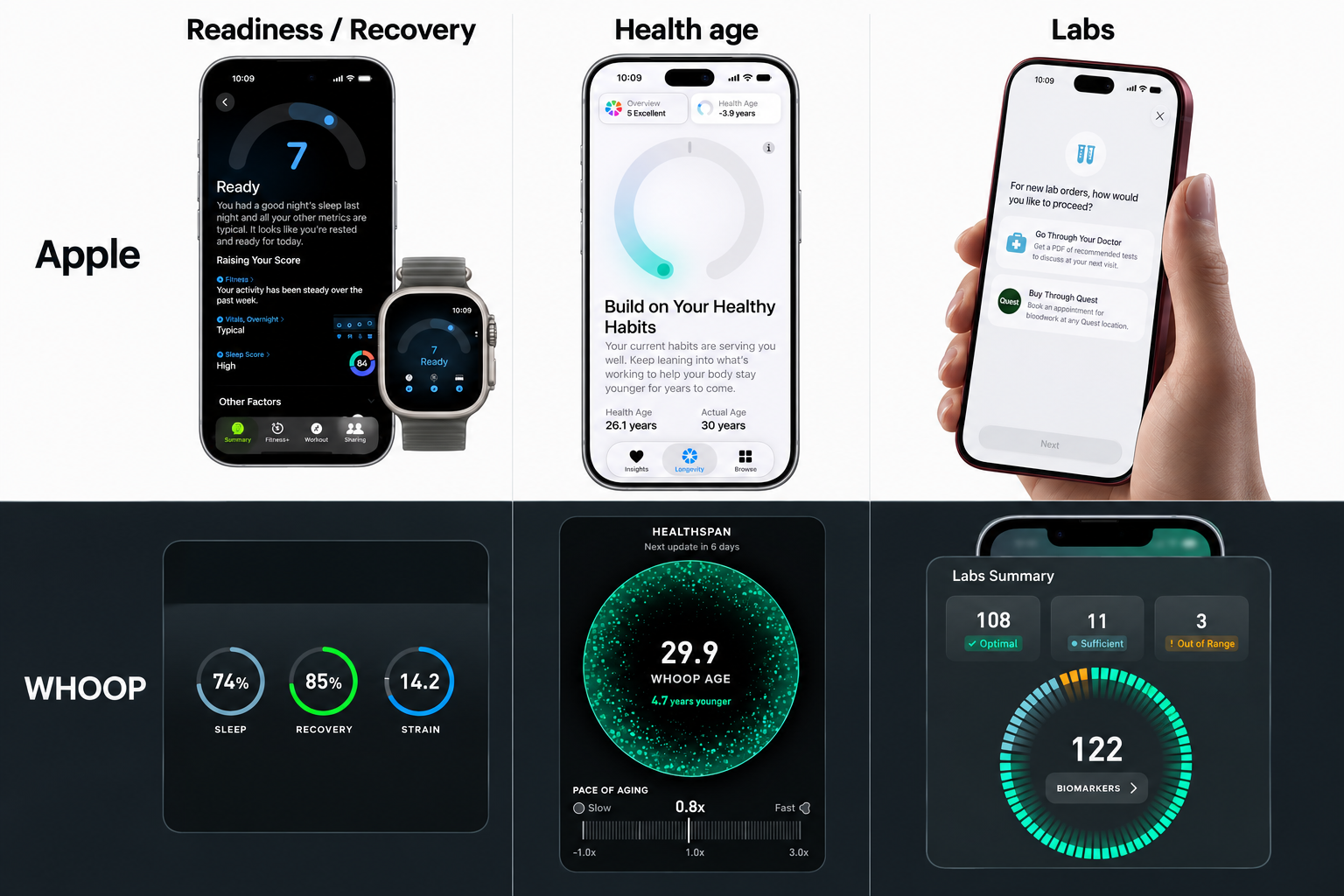
Apple just announced they'll incorporate several of Whoop's central features: readiness scores, health age, and blood testing.
Under John Ternus, I think Apple’s ambition extends to services revenue. With hardware upgrade cycles getting longer and longer, and Apple frankly a behemoth already, subscription revenue is one of the few paths to growth. His push for recurring revenue reportedly contributed to Phil Schiller’s departure from App Store oversight. Apple’s route to a health subscription is rather unsettled: Bloomberg reported in February that it wound down Project Mulberry, its planned AI health coach, and would release some features separately.
Does this mean Whoop is getting "Sherlocked"? I don't think so. Whoop has actually been pursuing payer and enterprise business lines that look pretty defensible.
What Apple announced yesterday
For someone already buying a compatible Apple Watch, these three additions could make a separate WHOOP membership harder to justify.
Readiness and recovery
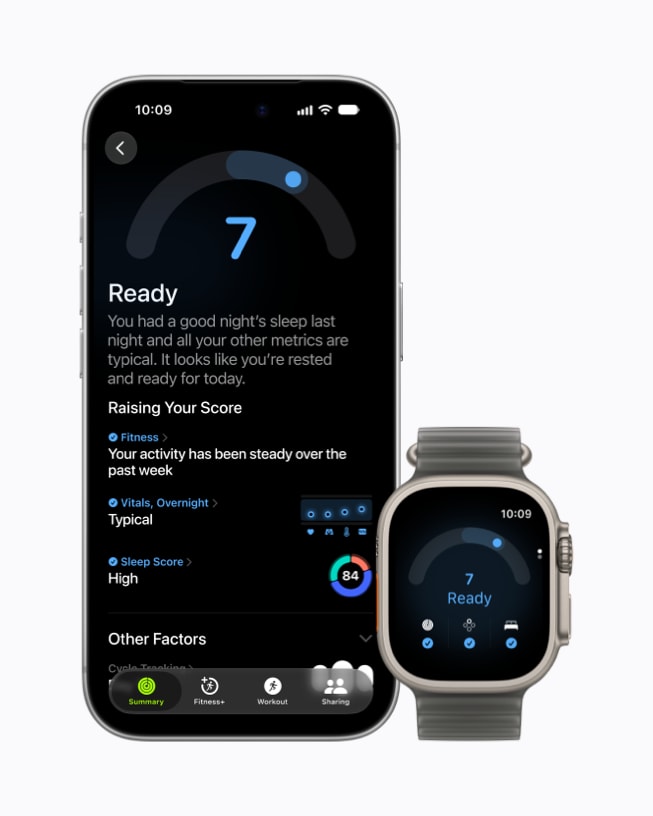
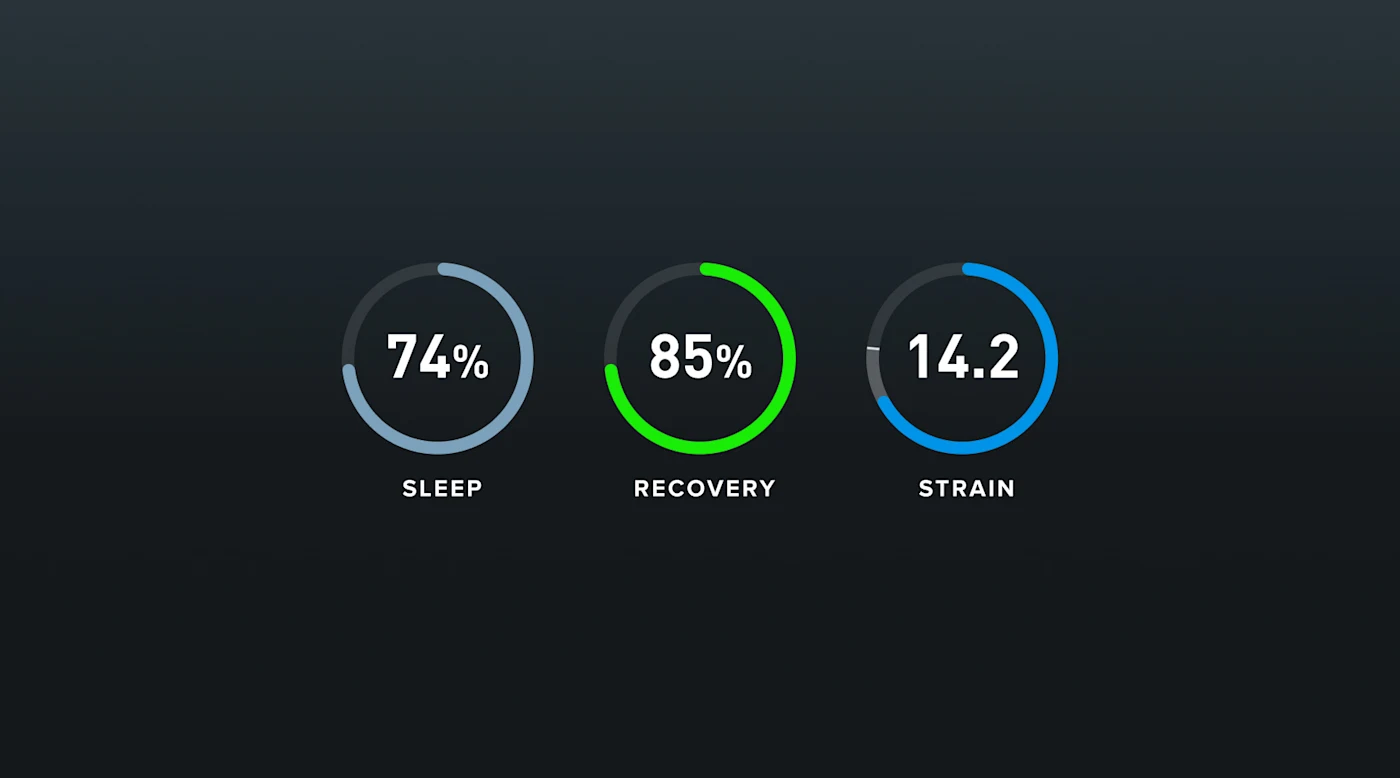
Apple Readiness combines activity, vitals, and sleep into a 0–10 score that updates during the day, on Series 12 and Ultra 4. WHOOP Recovery uses a 0–100 scale. Both help people decide how hard to train; the different models mean the scores aren’t directly comparable.
Health age
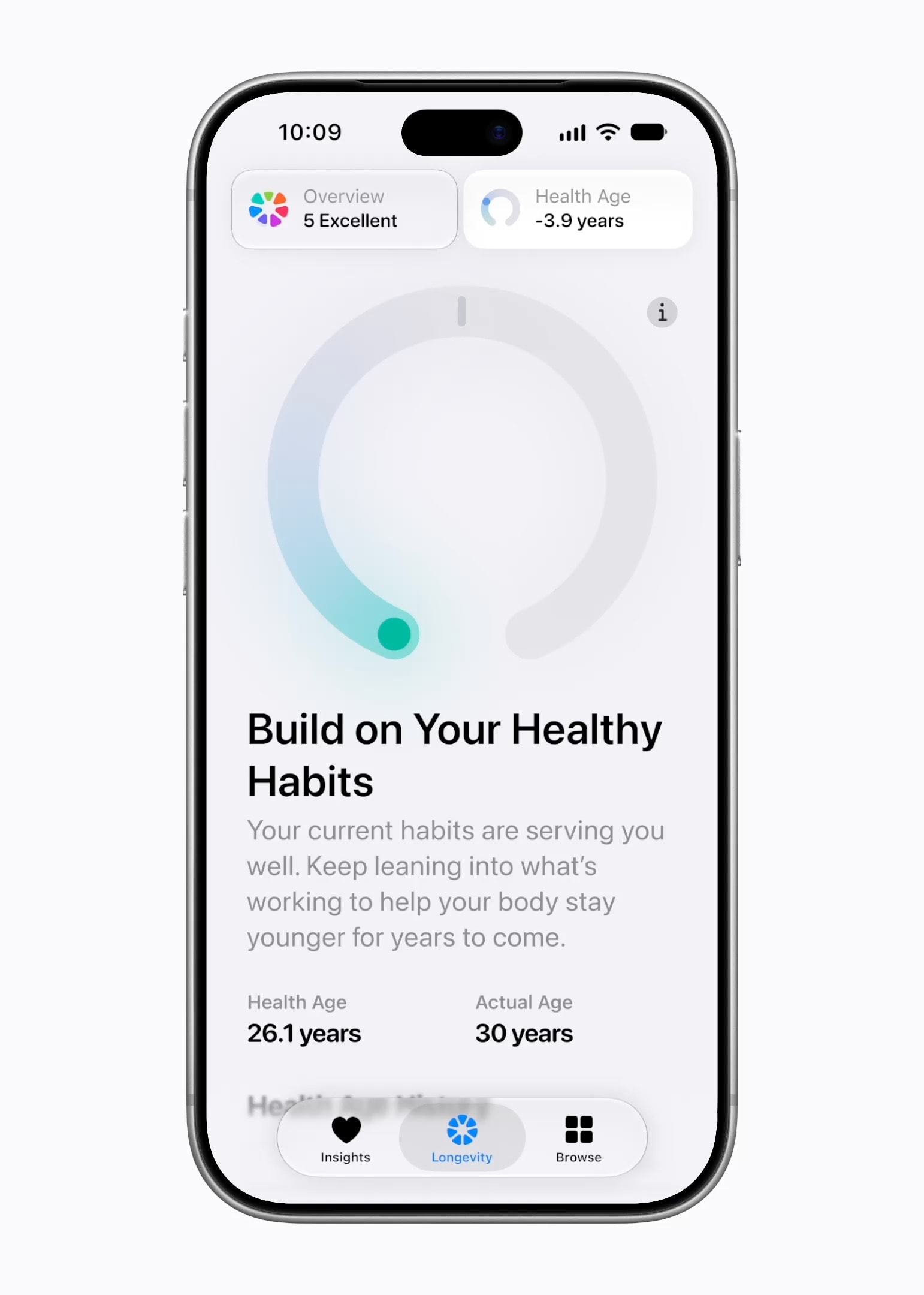
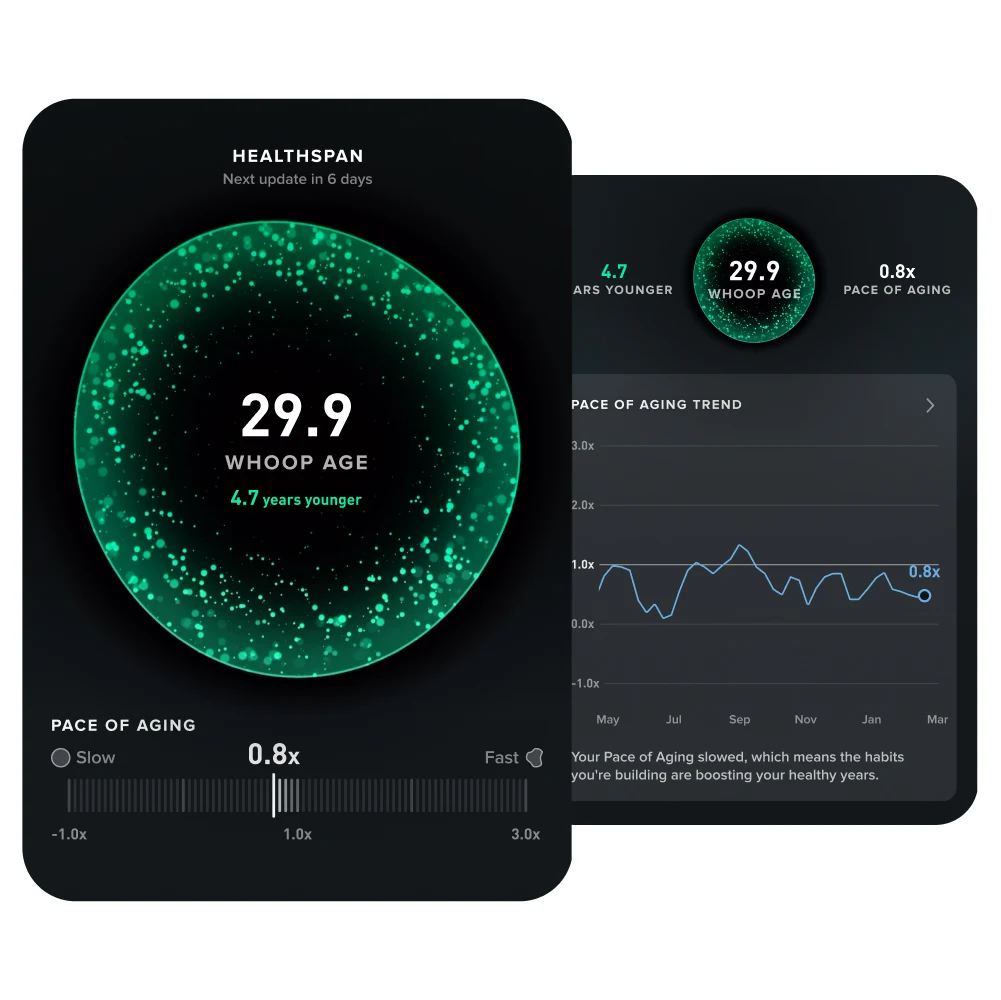
Apple Health Age will combine Watch measurements with optional blood biomarkers. WHOOP Healthspan uses sleep, activity, and fitness metrics to calculate WHOOP Age and Pace of Aging for Peak and Life members. Apple’s inclusion of lab results adds another source of information, though that alone doesn’t establish a more useful age estimate.
Blood testing for $119
Apple’s Quest panel will cover more than 50 biomarkers. WHOOP already offers lab ordering and coaching, including a labs-only option without its wearable.
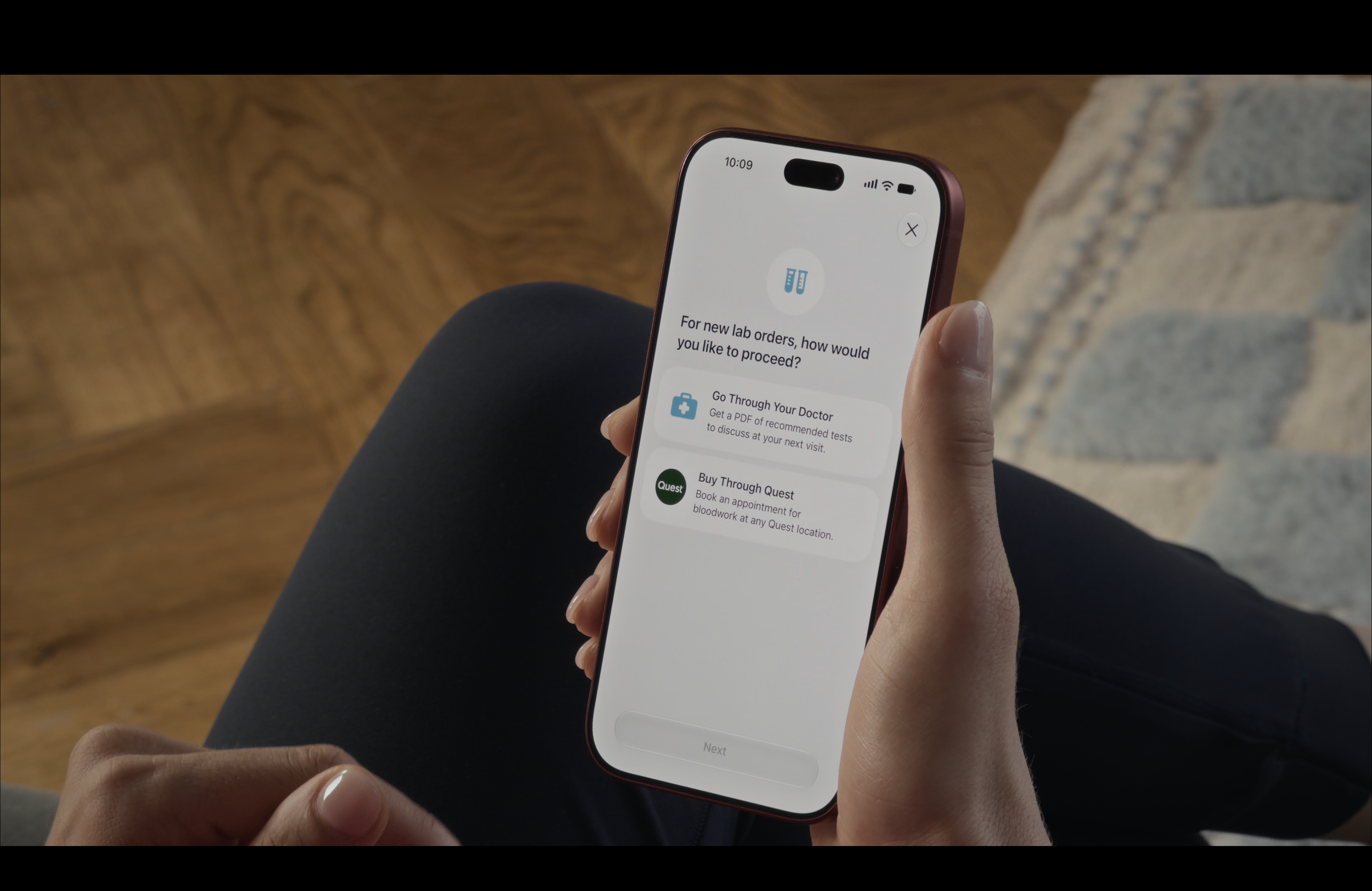
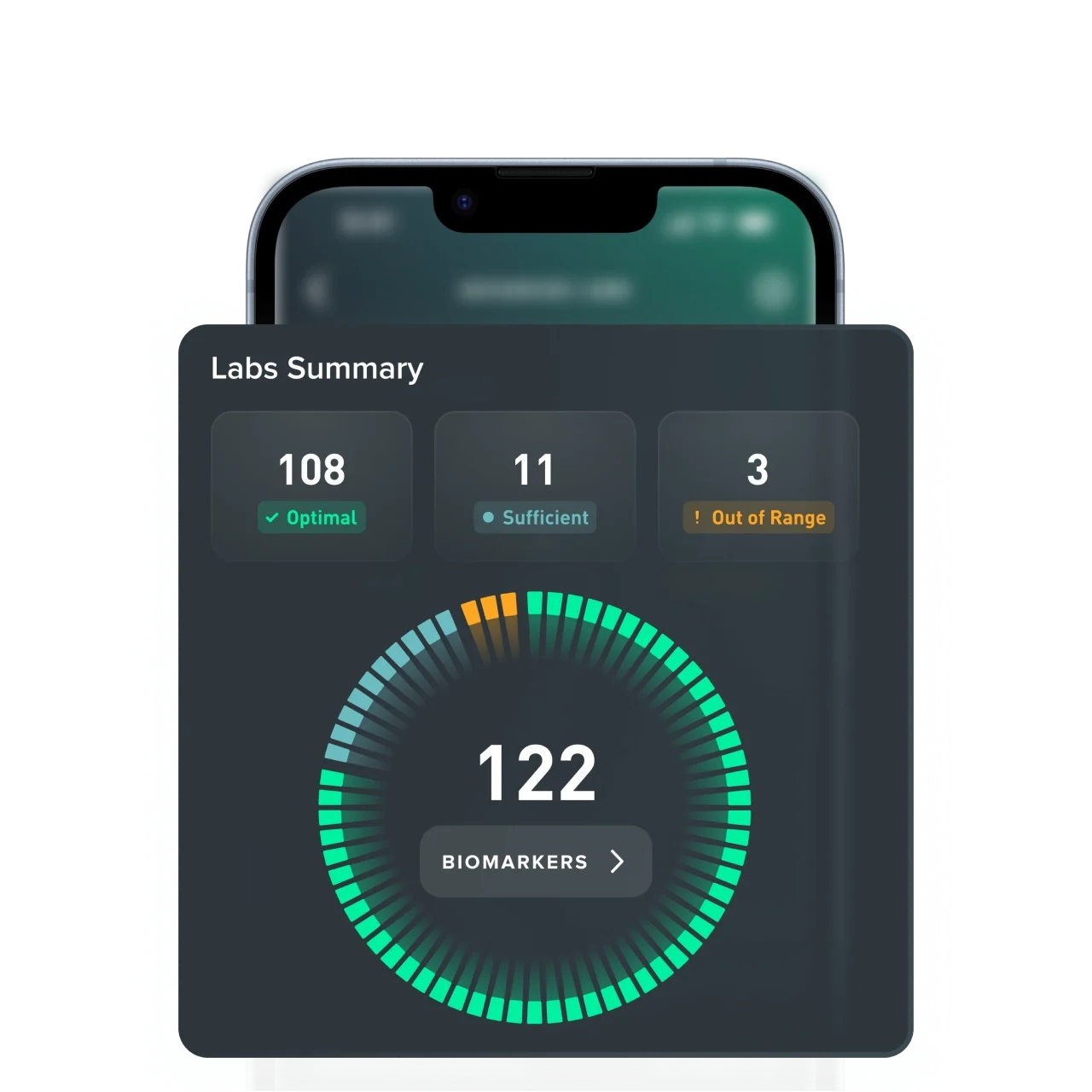
The $119 panel’s value remains to be seen. Apple’s announcement gives no itemized test list. We need to know which tests are included, how results are interpreted, and what help customers get when something needs follow-up. Ordering inside Health may be convenient, but biomarker count alone doesn’t establish a bargain.
WHOOP is finding other buyers
WHOOP has a substantial business to defend: it reported 2.5 million-plus members, 103% bookings growth in 2025, and a $575 million funding round at a $10.1 billion valuation in March 2026.
Its Connected Care program, offered through Medicare’s ACCESS initiative, gives eligible Original Medicare patients a year of WHOOP membership, a device, and ongoing support at no out-of-pocket cost. That gives WHOOP a way to reach people who might never buy a fitness subscription themselves.
WHOOP also sells tools for organizations. Its WHOOP Unite platform lets leaders and coaches review team sleep, strain, and recovery metrics to adjust training. WHOOP markets this combination of devices and analytics to government and defense organizations. The product becomes part of how a team trains, beyond what any individual sees in their app.
Healthcare partnerships extend that approach. In October 2025, WHOOP and Orlando Health announced a pilot giving devices to patients with chronic obstructive pulmonary disease (COPD) after hospital discharge. The goal is to help manage their recovery at home. It’s an early pilot, but it illustrates a different reason for an organization to adopt WHOOP.
Across these programs, the person wearing WHOOP isn’t necessarily the person deciding to buy it.
WHOOP’s defense depends on becoming useful enough to hospitals, teams, and insurers that they keep buying it. Apple can match the consumer features. WHOOP has to prove that its organizational relationships amount to a durable business.